Pick&Place assembly is the heart of the SMD production process. Before a board enters the machine, it must pass through the stencil printer — the step in which solder paste is precisely applied through a metal stencil onto all SMD pads on the board. The quality of paste application directly determines the quality of solder joints after reflow; too little paste and the joint is cold, too much and short circuits occur. The stencil printer enables consistent, repeatable paste deposition on every board in a run.
After paste application, the board moves to the Neoden4 — our Pick&Place machines which uses a vision system to recognise the exact position of each board and each component, placing them with a precision that is not achievable by hand. Components are taken directly from feeders — reels of SMD components on tape — and placed on the board according to coordinates from the PNP file generated in the PCB design tool or manually entered positions directly on the machines.
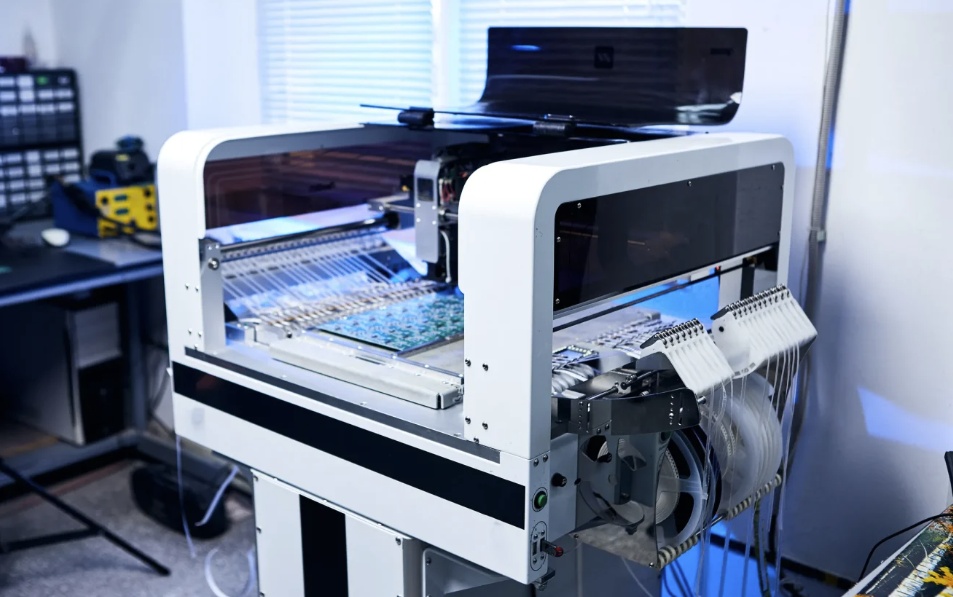
The Neoden4 works with the full range of standard SMD packages — from small 0402 resistors and capacitors to ICs in SOIC, QFP, QFN and similar packages. The machine's vision system performs automatic position correction for each component individually, ensuring accurate placement even when components on the tape are not perfectly oriented. The result is consistent placement without fatigue and without the variability that comes with manual work.
Before running each new board or series, we generate a program with the positions of all components, verify the feeders and visually check the first boards from the run. An error found on the first board costs seconds — the same error found on the fiftieth costs an entire production run.
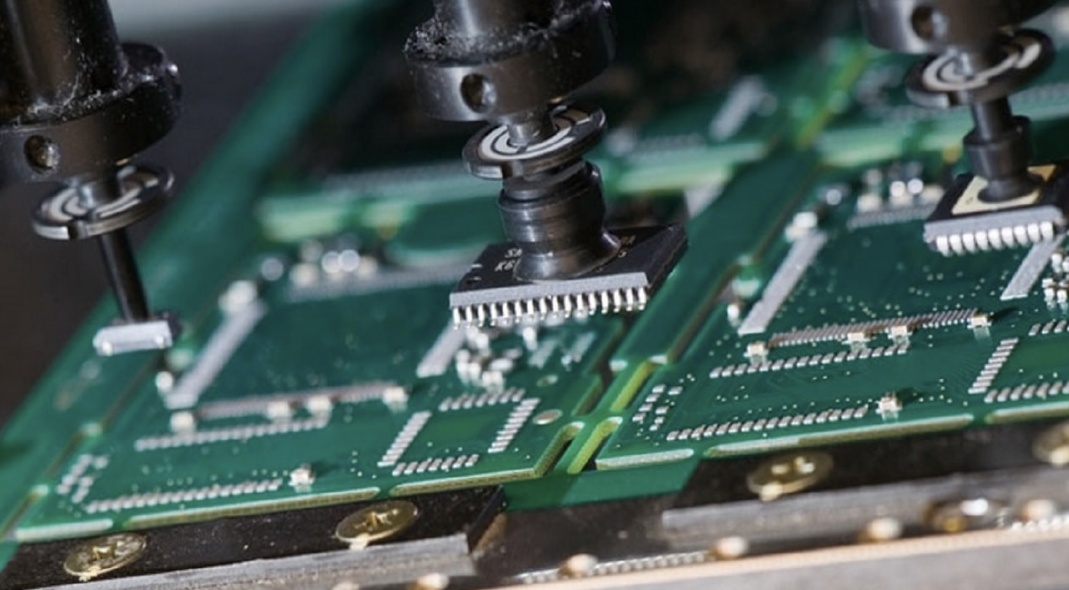
We also offer Pick&Place as a standalone service for clients who bring their own boards and components. In that case we need the PNP file from the PCB tool, a BOM with clearly identified MPN numbers, and components properly packaged on tape reels or in trays compatible with the machine feeders. All material preparation details are agreed in advance so that assembly runs without interruption.